Destination Wedding Website Essentials
A destination wedding is more than a celebration — it’s an experience your guests step into long before they arrive. Your wedding website becomes their first point of contact with the place, the atmosphere, and the rhythm of the days ahead. When thoughtfully designed, it doesn’t just share information; it sets the tone and removes uncertainty, allowing guests to relax and truly enjoy the journey.
Here are the essential elements every destination wedding website should include, beyond the obvious, to create a seamless, considered guest experience.
1. A Clear Overview of the Celebration
At a destination wedding, guests are committing to more than one day. Your website should clearly outline the scope of the celebration from the start, whether it’s a weekend-long gathering or a multi-day itinerary.
Rather than overwhelming visitors with details immediately, begin with a calm, high-level overview: where it’s happening, when guests should arrive, and what kind of experience to expect. This sets expectations gently and helps guests feel confident about planning their travel.
2. Accommodation, Thoughtfully Presented
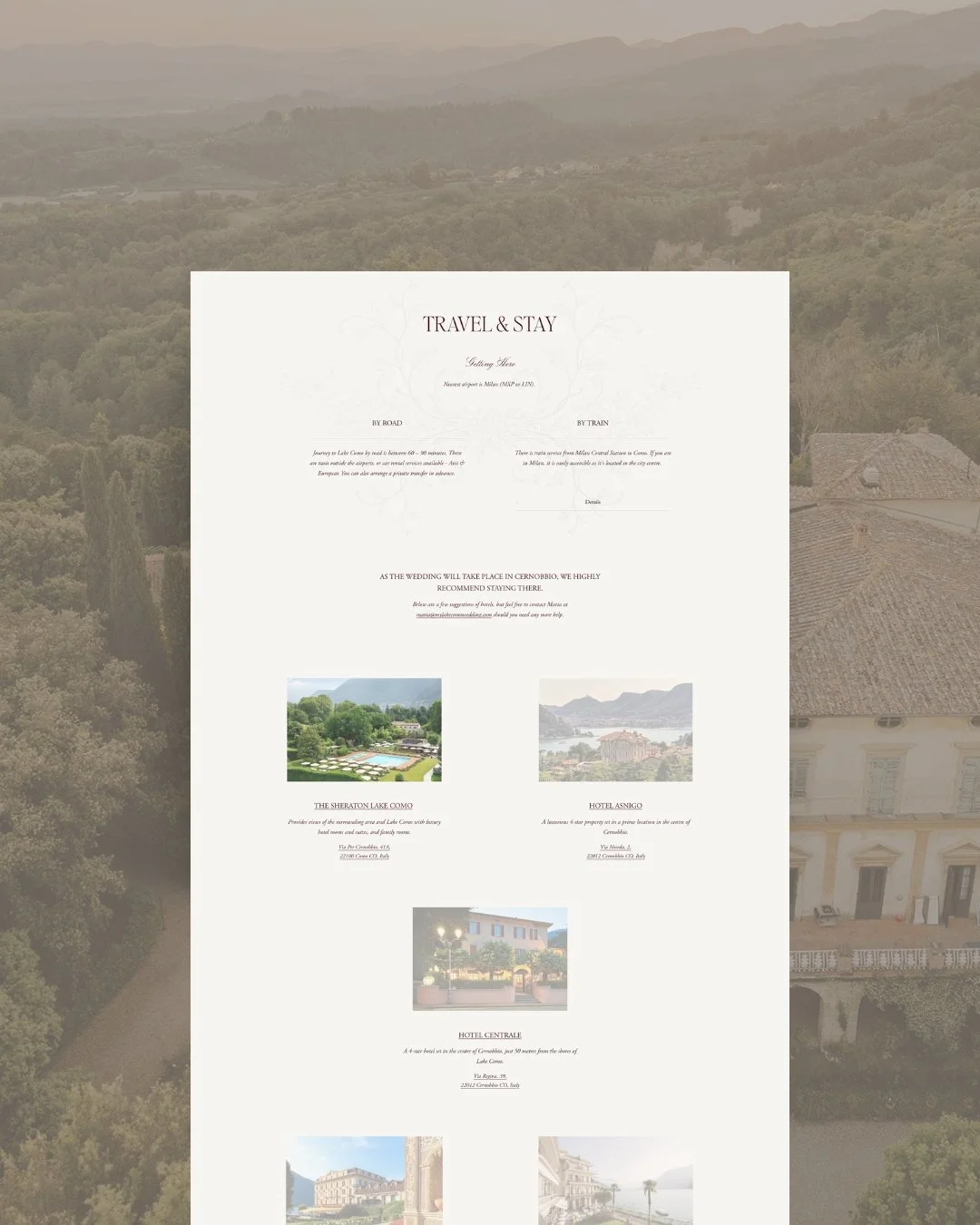
For destination weddings, where to stay is almost always the first question guests ask.
Your website should clearly highlight recommended hotels, villas, or areas — ideally explaining why you’ve chosen them (location, atmosphere, proximity to venues, transport access, or budget range).
It’s also helpful to note that many hotels offer special rates, group offers, or promo codes for wedding guests. Even when a formal room block isn’t arranged, we always advise guests to contact the hotel directly and mention the wedding — hotels are often happy to provide preferred rates or flexible conditions for wedding groups.
Clear accommodation guidance immediately builds confidence and helps guests move forward with booking their travel.
3. Travel Guidance: Getting There & Getting Around
Once accommodation is clear, travel logistics follow closely.
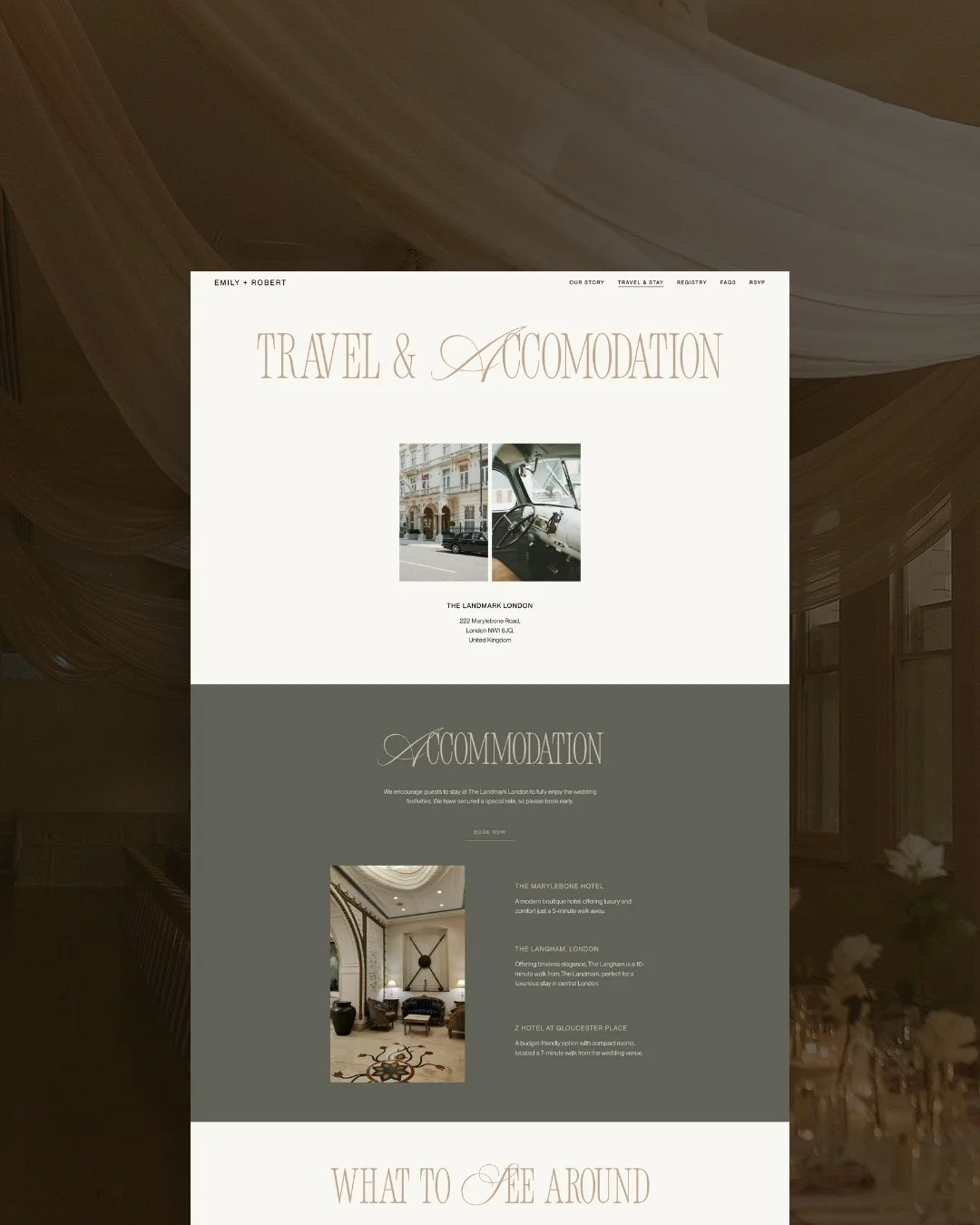
Your destination wedding website should include:
Nearest airports and recommended arrival routes
Transfer options (train, ferry, private transfer, taxi)
Approximate travel times
Guidance on getting around locally (car hire vs. walking vs. taxis)
Even simple explanations can remove a lot of uncertainty, especially for international guests unfamiliar with the destination.
4. A Clear Schedule of Events
Destination weddings often unfold across several days, and clarity here is essential.
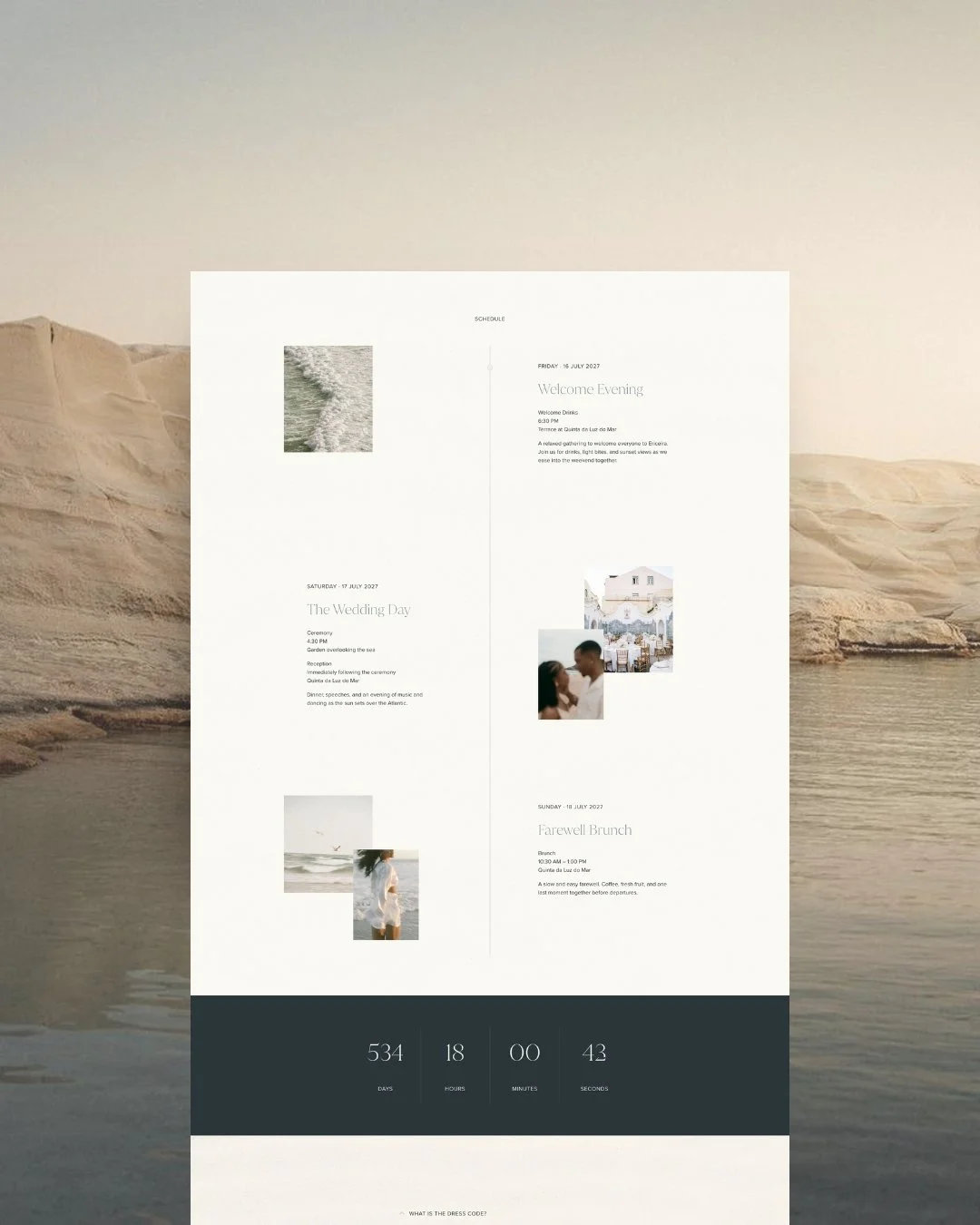
Your website should present:
The main wedding day
Welcome dinners or casual gatherings
Post-wedding brunches or farewell events
Each event should have its own section with date, time, location, and dress code if relevant. A clear schedule helps guests plan their stay and feel relaxed rather than unsure.
5. Clear Communication Around Attendance
Multi-day weddings often involve different guest lists for different events.
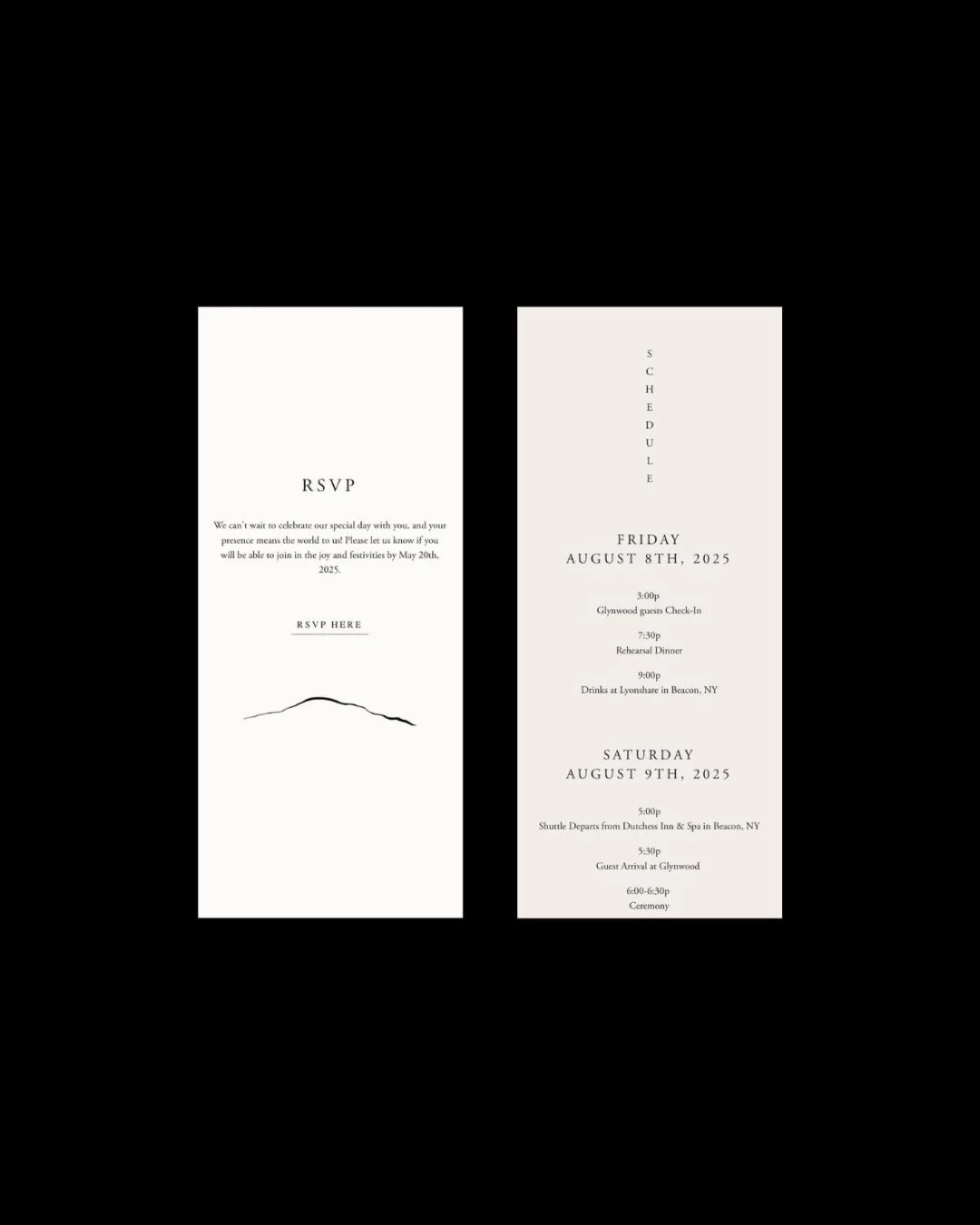
A well-structured wedding website allows you to:
Offer RSVPs by event
Clearly communicate which events guests are invited to
Keep certain event details visible only to invited guests
This avoids awkward conversations and ensures everyone knows exactly what they’re attending — and when.

6. A Curated Local Guide
A destination wedding is also an opportunity for guests to explore somewhere new — and your website can gently guide them.
A local guide might include:
Favourite cafés and restaurants
Coffee spots or bakeries
Scenic walks, viewpoints, or beaches
Local shops or markets
Rather than overwhelming guests with options, keep it curated and personal. This section often becomes one of the most loved parts of a destination wedding website.
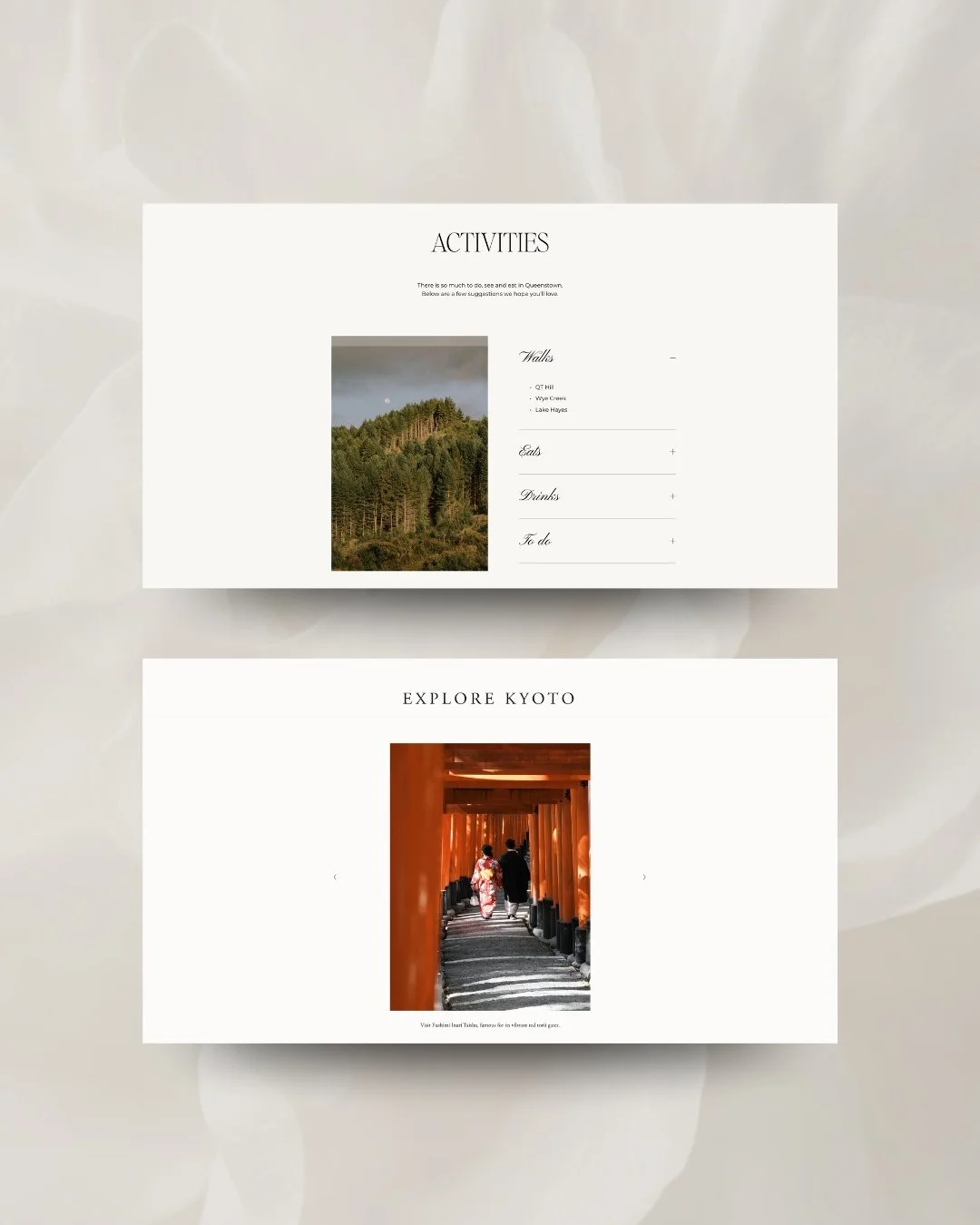
7. Day Trips, Excursions & Things to Do Nearby
Many guests will extend their stay, especially when travelling far.
Your website can suggest:
Day trips to nearby towns, islands, or villages
Cultural visits or nature excursions
Relaxed activities guests can enjoy before or after the wedding
This transforms the wedding into a full experience rather than a single event.

8. Dress Code & Weather Context
Destination weddings often come with unique climates and settings.
Your website should clearly communicate:
Expected weather during the wedding period
Dress codes for each event
Practical tips (cobblestones, outdoor ceremonies, evening layers, sun protection)
This helps guests feel prepared and comfortable — especially those travelling from very different climates.
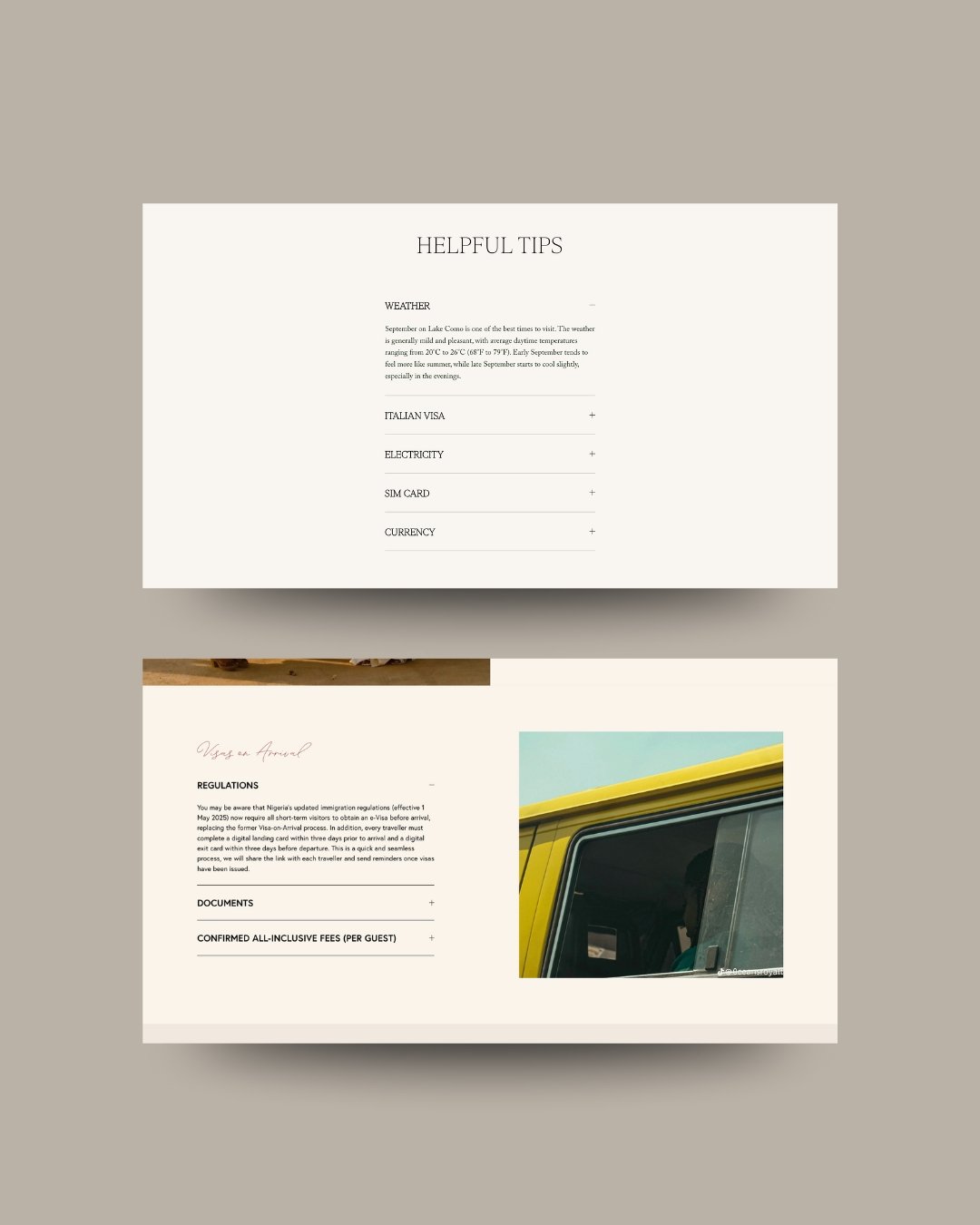
9. Practical Information Guests Don’t Always Think to Ask
An extended FAQ section is essential for destination weddings.
This is where you can quietly answer questions such as:
Visa requirements
Local currency and payment methods
Power adapters
Language tips
Cultural etiquette or customs
Guests may not know what to ask — but they’ll deeply appreciate having the answers ready.
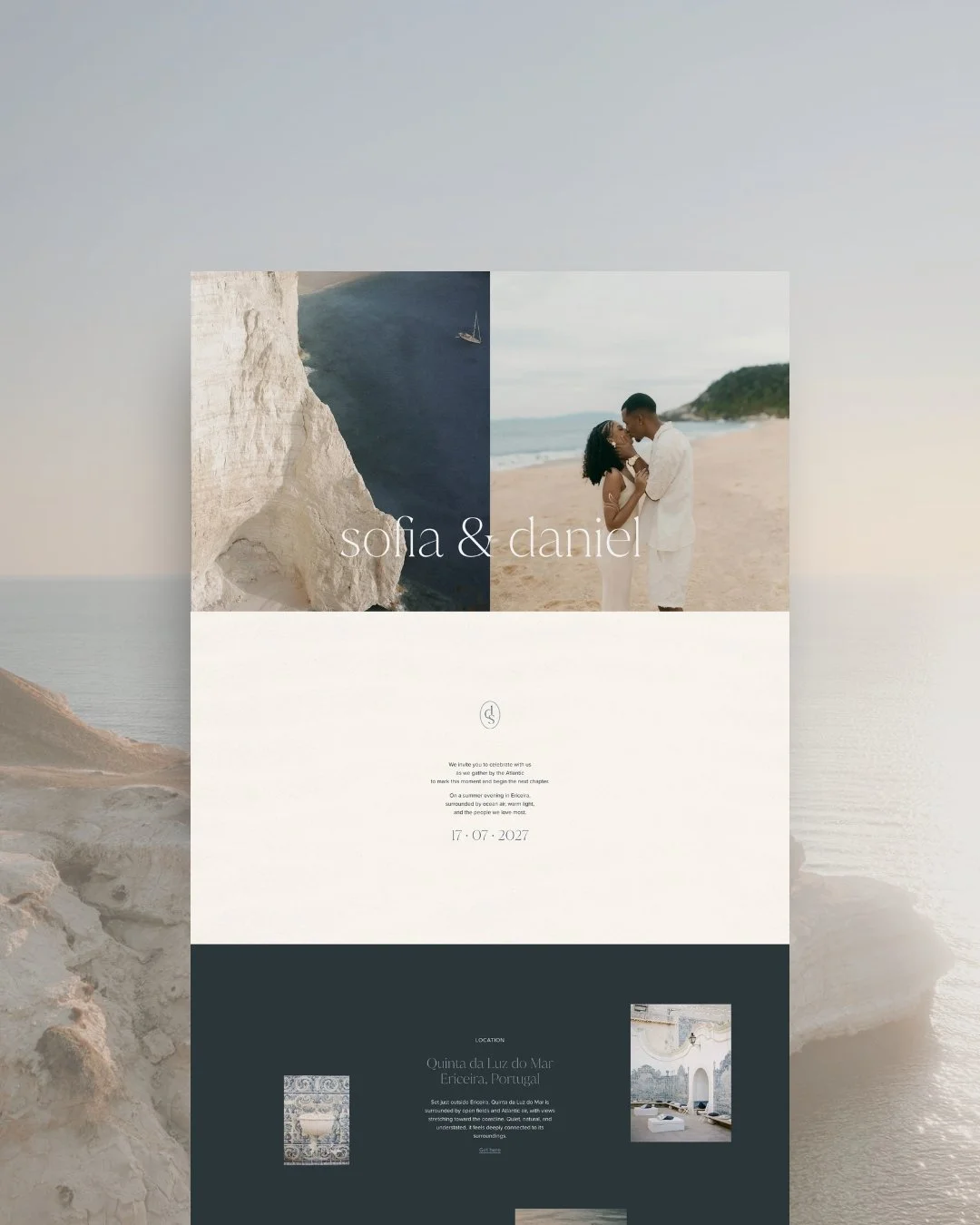
10. Design That Reflects the Destination
Finally, your wedding website should visually echo the place you’ve chosen.
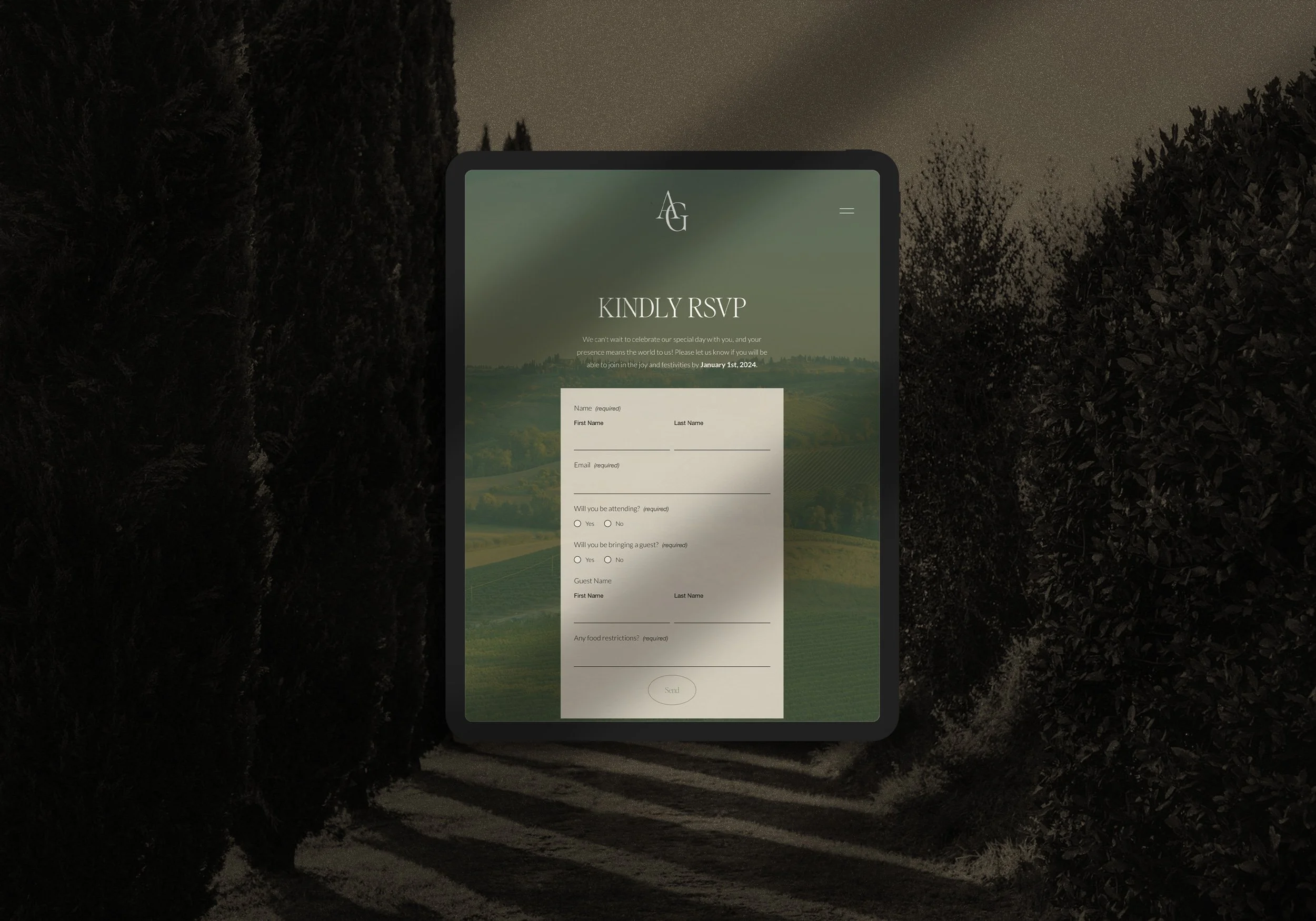
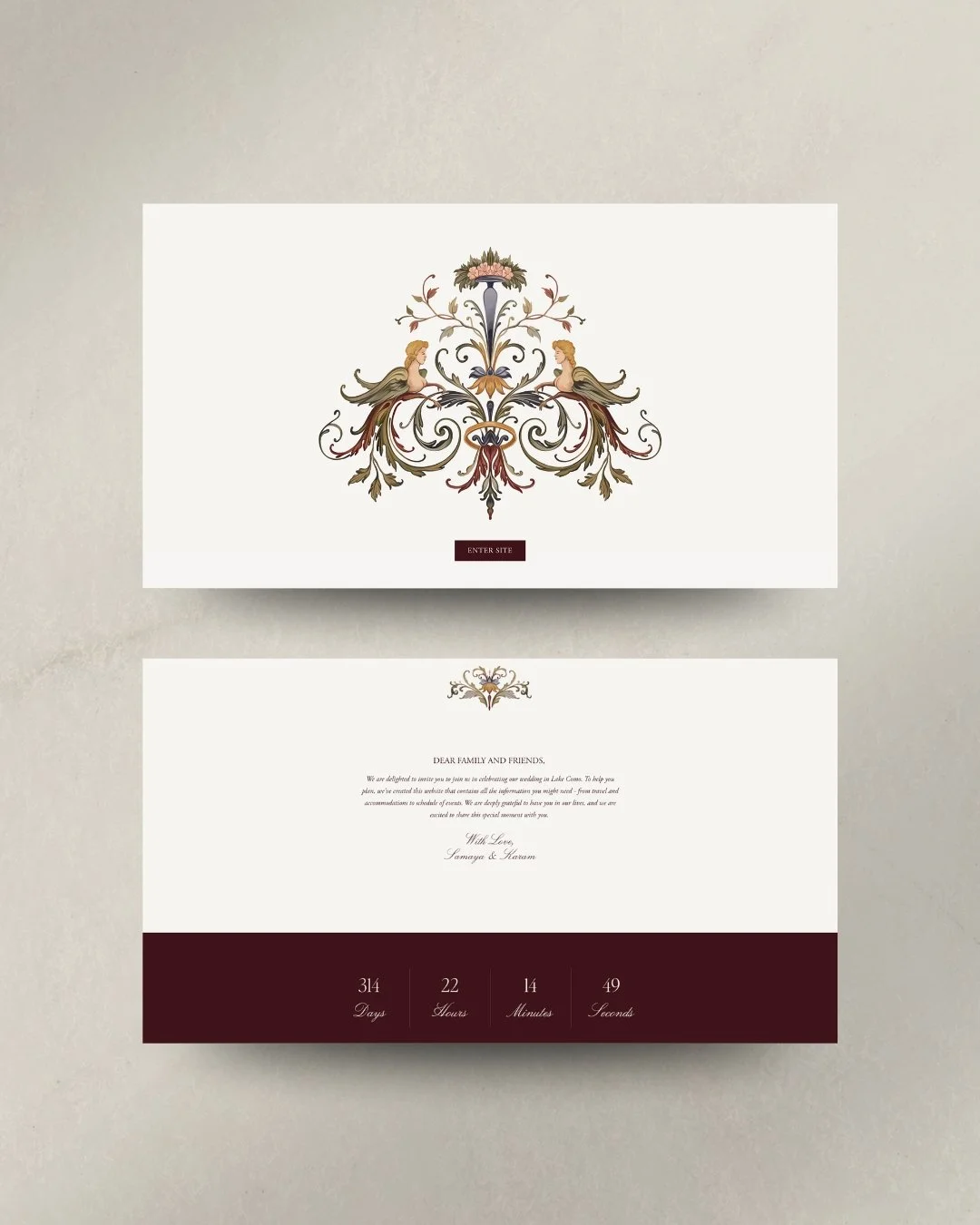
Through colour palette, typography, layout, and subtle illustration, design can transport guests emotionally — offering a glimpse of the destination before they arrive.
When your website pairs seamlessly with digital save the dates and printed stationery, the experience feels cohesive, intentional, and beautifully considered.
A destination wedding website is more than a planning tool — it’s an extension of your celebration.
When accommodation, travel, schedules, and practical information are communicated clearly and beautifully, guests feel cared for. When design reflects place and story, the experience becomes immersive.
Thoughtful structure and elegant presentation allow your guests to focus on what truly matters: being present, enjoying the destination, and celebrating with you. If you’re planning a destination wedding and want a website that feels as considered as every other detail, we’d love to help you create it.
read more