Branding for Wedding Planners: What Separates Good From Extraordinary
Your work is exceptional. Does your brand say so? The planners who attract the clients they want — consistently, at the level they want to work at — share one thing in common. Their brand does not try to appeal to everyone. It is specific. It has a personality. And it reflects not only what they do, but how they do it.
There is a particular kind of frustration that belongs almost exclusively to wedding planners. It goes something like this: the weddings you produce are beautiful. Your couples are happy, often deeply so. The work speaks for itself — the details, the atmosphere, the way a day unfolds when someone who genuinely knows what they are doing is behind it.
And yet the enquiries are not quite where you want them to be. The clients who find you are lovely, but they are not always the right fit. You look at planners with smaller portfolios and less experience who are somehow working at a higher level, booking better venues, commanding stronger fees. And you wonder, quietly, what they have that you do not.
More often than not, the answer is not their work. It is their brand.
The gap between your work and your brand
When wedding planners come to us at Avelã White, the pattern is remarkably consistent. Their existing brand — often built in the early days of the business, often assembled quickly or designed without much strategic thought — no longer reflects who they are or what they do. The work has evolved. The eye has sharpened. The calibre of wedding they are capable of producing has grown considerably. But the logo, the colour palette, the website, the way they present themselves to the world — these things have stayed exactly where they were three or five or seven years ago.
The result is a disconnect that clients feel before they can name it. A planner whose work is refined and considered, presenting themselves through a brand that reads as generic, dated, or simply unfinished. The enquiry email arrives. The couple clicks through to the website. And something — something they cannot quite articulate — makes them pause.
This is the most expensive branding mistake in the wedding industry: allowing your visual identity to lag so far behind your actual work that the right clients never fully trust what they see.
What high-end couples are actually looking for
Before a couple sends a single enquiry, they have already made a series of judgements. They have looked at your logo, however briefly. They have felt the atmosphere of your website — whether it is calm and considered or busy and uncertain. They have read a line or two of your copy and formed an instinct about who you are and whether you are for them.
Luxury couples — the ones planning significant celebrations, who have both the budget and the discernment to choose carefully — are not simply looking for competence. They can find competence. What they are looking for is alignment. They want to feel, before they have spoken to you, that you understand the kind of wedding they have in mind. That your aesthetic sensibility is close enough to theirs to be trusted with the details. That you are operating at the level they expect.
A brand that communicates this does not need to shout. It does not need elaborate marketing or a long list of credentials. It simply needs to feel specific — to have a clear point of view that makes the right couples feel immediately recognised, and gently signals to everyone else that they might be better served elsewhere.
The most common branding mistakes — and what they cost you
Looking like everyone else.
The wedding planning industry has its visual defaults: the same style of script logo, the same neutral palettes, the same language used to describe what every planner does. A brand that blends into this landscape does not stand out in it. It simply confirms that you are one option among many — which is precisely the perception you need to change if you want to attract clients who are actively seeking something specific.
A DIY logo that has outgrown its purpose.
Many planners build their first brand themselves — a Canva logo, a font combination that seemed right at the time, a colour palette chosen quickly. There is nothing wrong with this at the start; it gets you moving. But a brand created without strategic intent tends to signal exactly that. Luxury clients are visually literate. They notice the difference between a mark that was designed with intention and one that was assembled in an afternoon.
A brand that reflects who you were, not who you are.
The business has grown. The work has changed. The planner has developed a genuinely distinctive aesthetic and approach. But the brand still looks like the business it was in its first year — before the experience, before the portfolio, before the clarity about what makes it different. The brand has become a ceiling rather than a launchpad.
No clear story.
A brand is not just a logo and a colour palette. It is the answer to a question every prospective client is asking: why you, specifically? A brand without a clear narrative — without a communicated point of view about who you serve and how — leaves that question unanswered. And in a competitive market, an unanswered question is usually resolved by moving on.
What extraordinary branding actually looks like
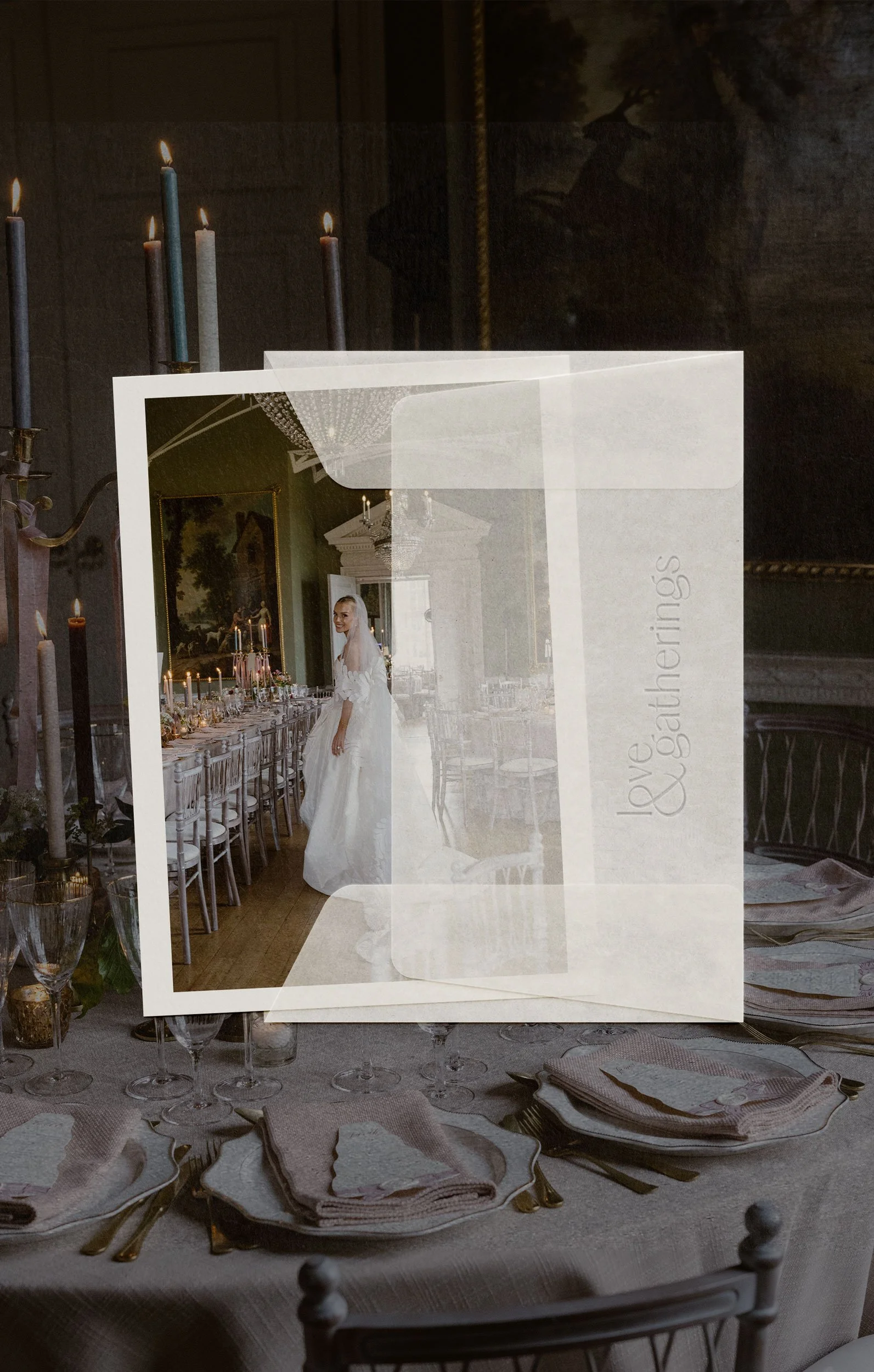
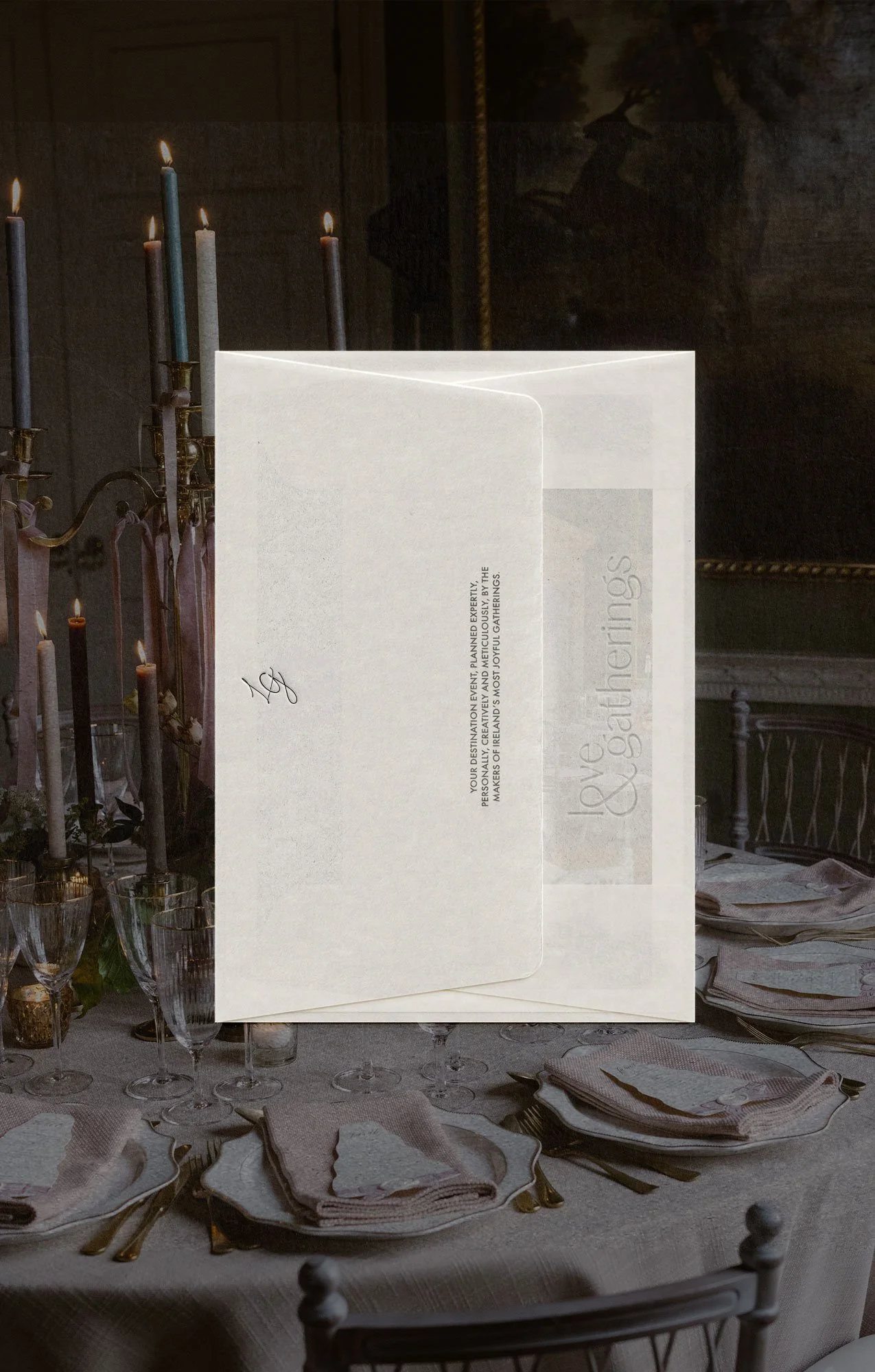
The planners who attract the clients they want — consistently, at the level they want to work at — share something in common. Their brand does not try to appeal to everyone. It is specific. It has a personality. It reflects not only what the planner does, but how they do it and who they are.
This specificity is not accidental. It is the result of a process: understanding what makes the business genuinely different, identifying the clients it is built to serve, and translating all of that into a visual language that communicates it immediately and without explanation.
Every element works together. The logo, the colour palette, the typography, the tone of voice, the website — none of these exist in isolation. They form a coherent whole that tells the same story from every angle. When a couple encounters the brand on Instagram, lands on the website, reads the bio, and sees the enquiry page, they should feel a consistent atmosphere throughout. The moment anything breaks that coherence — a font that jars, a colour that does not belong, a website that feels like a different business to the social presence — the trust quietly erodes.
The typography carries emotion before a word is read. The palette signals taste before a photograph is seen. The logo says, in a single mark, whether this is a business that has been thought about carefully. These are not superficial decisions. They are the decisions that determine which enquiries land in your inbox.
Where the process begins
When we work with wedding planners on their brand identity, we do not start with a logo. We start with a question: who are you, and what do you want your clients to feel?
This means understanding the planner's story — what brought them here, what makes their approach distinctive, what kind of celebrations they are built to produce. It means looking carefully at the clients they have loved working with and the ones they are hoping to attract. It means examining the mood, the aesthetic, the feeling they want their brand to carry into every first impression.
From there, everything is translated with care: a visual identity that is specific enough to attract the right people, refined enough to belong in the world of luxury weddings, and coherent enough to hold together across every touchpoint.
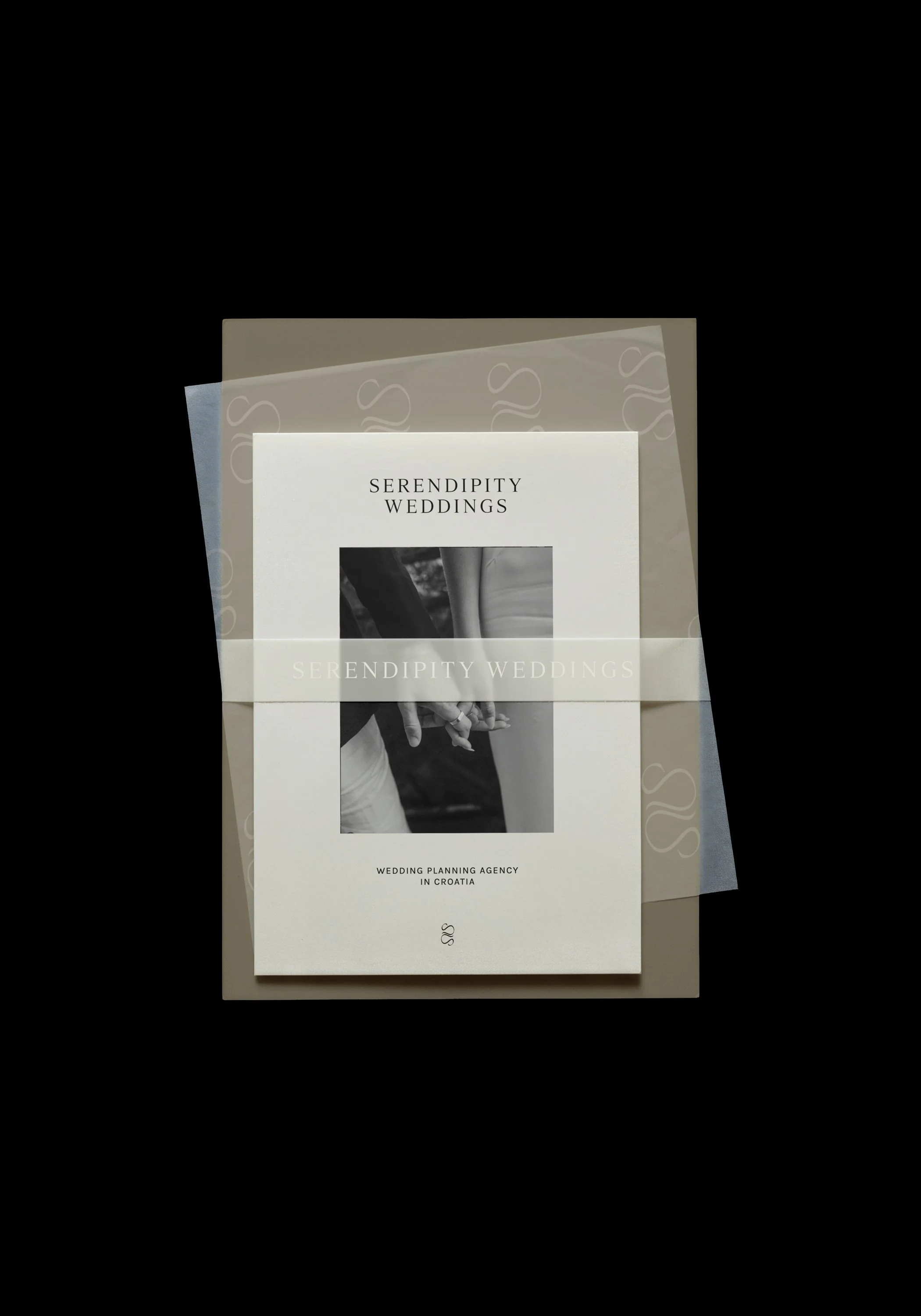
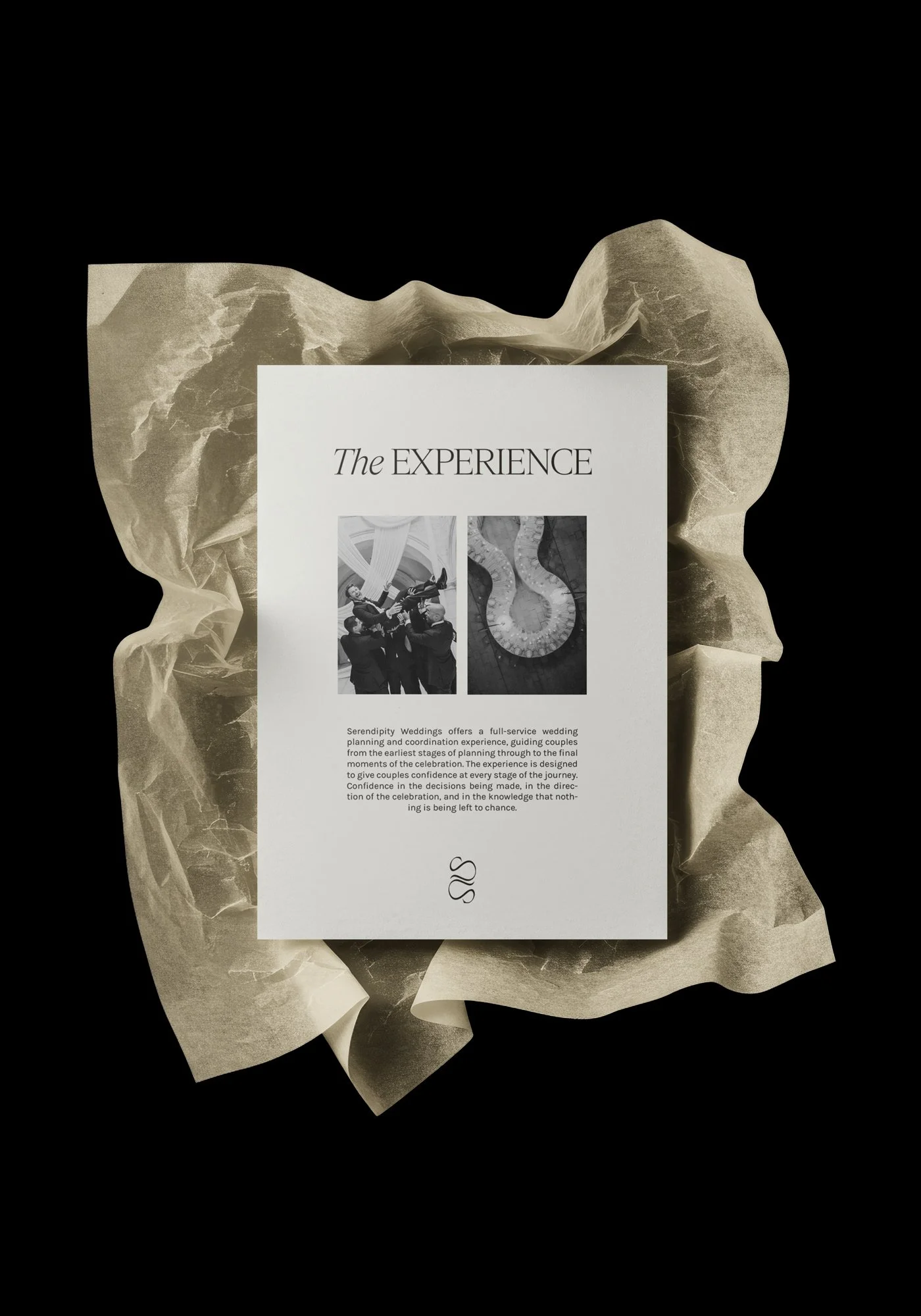
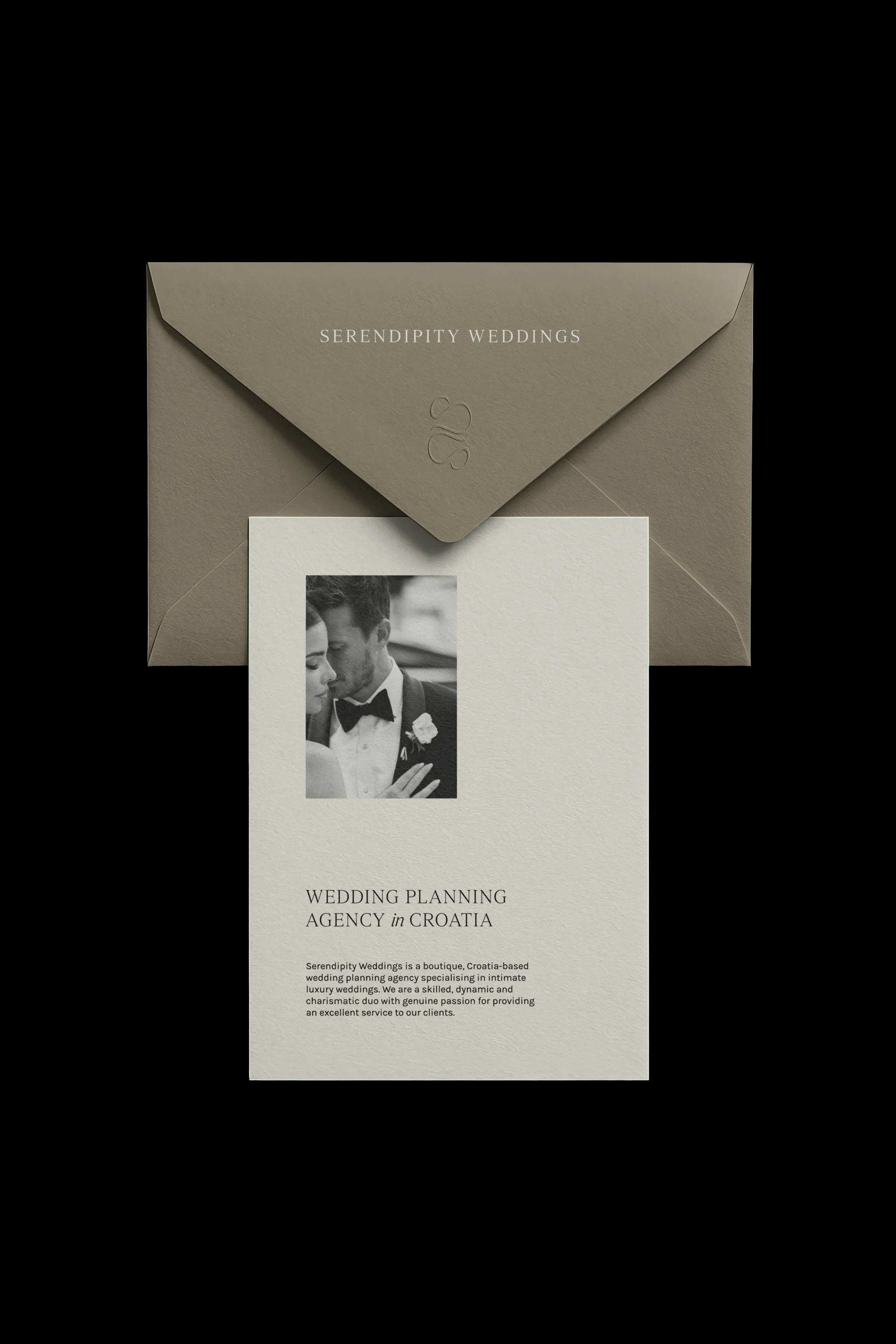
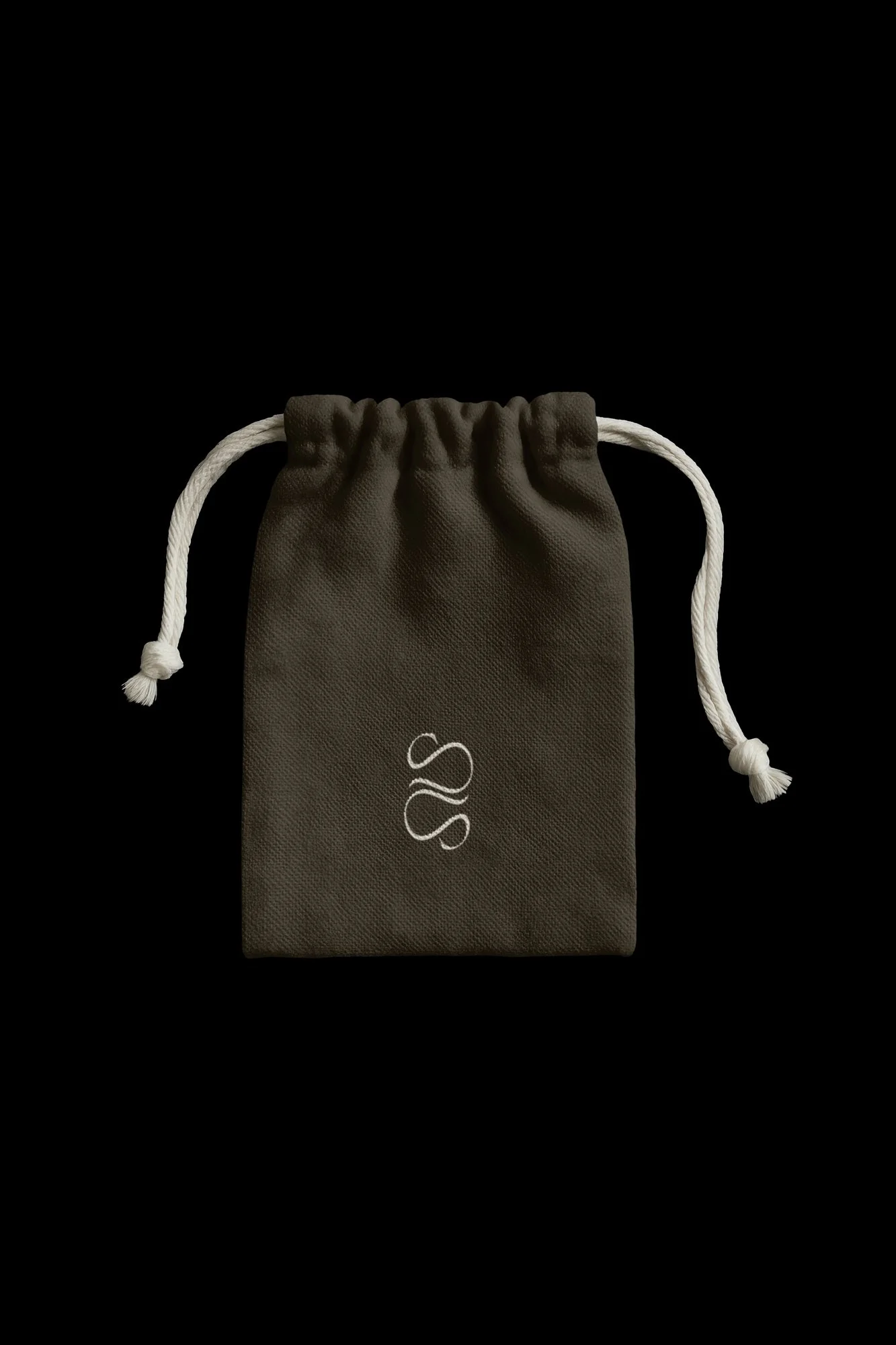
"Working with Team Avelã White on the website and branding for Serendipity Weddings has been an exceptional experience from start to finish. From the very beginning, their approach was thoughtful, structured, and deeply focused on understanding our vision. They took the time to truly listen and translate our ideas into a visual identity that reflects Serendipity Weddings exactly as we envisioned it — refined, intentional, and aligned with the level of luxury and personalisation we deliver to our clients."
— Tin Sertin, Serendipity Weddings
That alignment — between the work, the brand, and the clients it attracts — is what extraordinary branding actually delivers.
The question worth asking
If you were a couple at the beginning of their search — someone planning a significant wedding, with high standards and real discernment — would your brand make an immediate case for you? Would it feel specific and considered? Would it signal, without any explanation, that you understand the kind of wedding they have in mind?
If the honest answer is no, or not quite, or not any more — that gap is worth closing. Not because your work is not good enough. Almost certainly it is. But because the right clients will never know that if the first thing they encounter does not tell them so.
What cohesive, considered branding includes
Not all of these need to be created at once, but all of them need to work together:
Logo suite — A primary mark and its variations, designed for every context from website header to email signature to social media profile.
Colour palette — Specific, considered, and immediately recognisable as yours. Not borrowed from a trend, not assembled at random.
Typography — The fonts that carry the personality of your brand before a word is read. A thoughtful pairing that signals the register you operate in.
Brand guidelines — The document that holds all of this together and ensures consistency across every application, now and in the future.
Tone of voice — The way your brand speaks: the words it uses, the register it occupies, the feeling it leaves. As important as any visual element, and equally consistent.
Website — Where the brand lives in full. Where couples spend real time making real decisions. A website that feels cohesive with everything above, and is designed to convert the right enquiries.
If your brand no longer reflects the quality of your work — or if it never quite did — we would love to talk.
At Avelã White, we work with wedding planners and other wedding professionals on brand identities that are specific, considered, and built to attract the clients they actually want.
read more